Printed Paper Cups for Restaurants and Cafés in Qatar: Sizes, Lids and Customisation
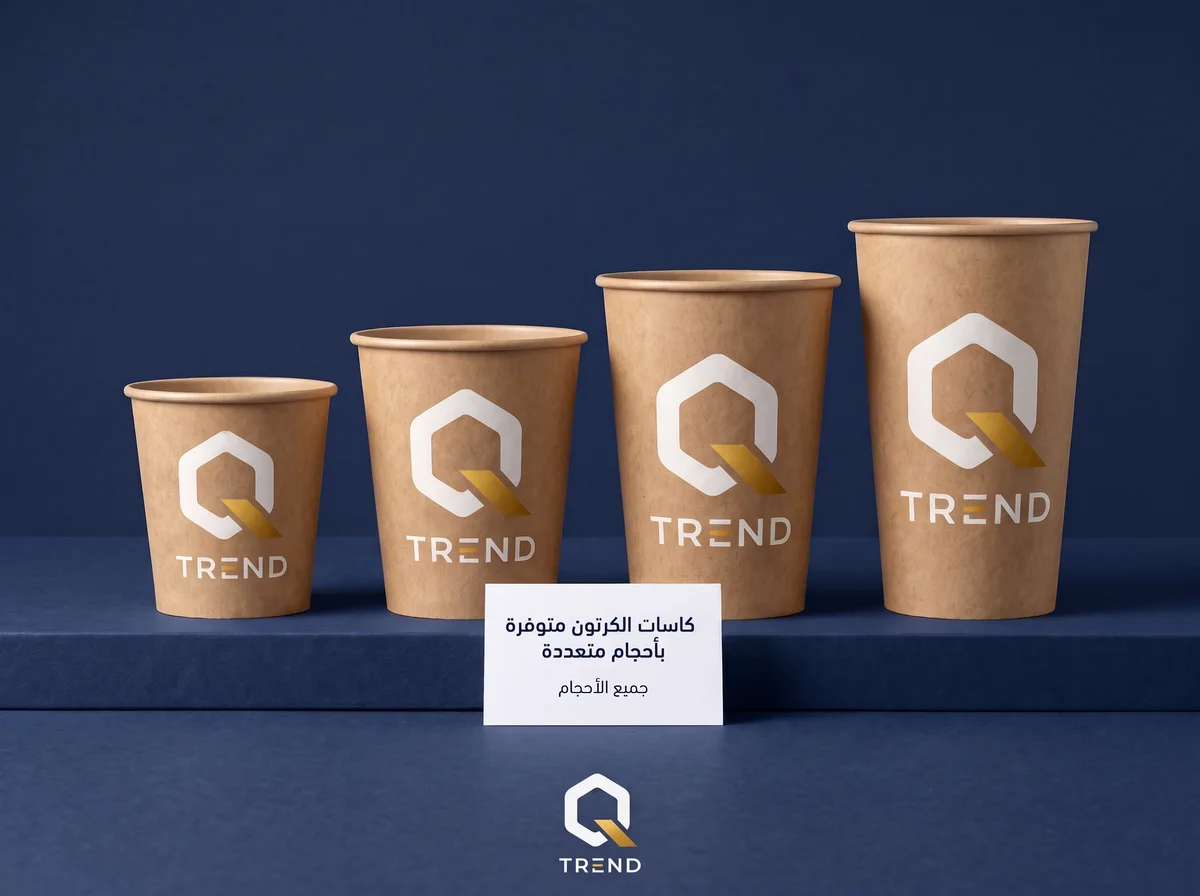
In Qatar's fiercely competitive café and restaurant scene, the paper cup is no longer just a container for a drink — it has become one of the most powerful mobile marketing tools available. Every cup carrying your logo walks out of your café door and travels through West Bay offices, Doha malls and university campuses, introducing your brand to hundreds of pairs of eyes every single day, free of charge. In this guide we explain how to choose and print custom paper cups professionally: sizes, materials, lids, inks, and the order quantities that deliver the best cost per unit.
Why a printed cup is worth the investment
The cost difference between a plain cup and one carrying your brand identity is small, but the difference in perception is enormous. A printed cup signals that your business is established and well organised, and it encourages customers to photograph their drink and share it on Instagram — which means free reach among a targeted local audience.
- Mobile marketing: every cup carried out of the café is a miniature billboard moving through the streets of Doha.
- Trust and credibility: consistent packaging conveys professionalism and raises the perceived value behind your pricing.
- A joined-up identity: the cup works alongside your menu, signage and uniforms to create one unified visual experience.
- An information channel: space to display a QR code for your digital menu, your social handles, or a seasonal promotion.
Common sizes and what they're used for
Your choice of sizes should start with your drinks menu, not with the cheapest quote. The sizes most widely used in Qatar are:
- 4 oz: for espresso, Arabic coffee and mint tea; ideal for hotels, offices and reception areas.
- 6.5–8 oz: cappuccino, Turkish coffee and tea; the most requested size in smaller cafés.
- 12 oz: the standard size for latte and americano, and the most popular choice for takeaway orders.
- 16 oz and above: cold drinks, iced lattes, juices and event beverages.
A practical tip: start with just two sizes (8 oz and 12 oz, for example) to reduce the capital tied up in stock, then add further sizes once your sales pattern settles.
Single wall or double wall?
Single wall cups are economical and suit cold drinks, or hot drinks when paired with an insulating sleeve. Double wall cups add an extra layer that traps air and acts as a thermal insulator, so they won't burn the customer's hand and won't sweat quickly. Speciality cafés in Qatar tend to prefer double wall because it feels more premium and holds print more cleanly. There is also the ripple wall cup, whose corrugated surface gives a distinctive artisanal feel.
Materials and inner lining
The body of the cup is made from food-grade board weighing 200–350 gsm depending on the size and number of walls, and is lined on the inside with a barrier layer that prevents leaks. You have two options:
- PE lining: the most common and most economical, resistant to both hot and cold liquids.
- PLA lining: plant-derived and biodegradable, suited to brands with an eco-conscious positioning — a growing trend among cafés in Doha and Lusail.
Don't forget the accessories: plastic or paper lids, paper sleeves, wooden stirrers, and cardboard cup carriers for delivery orders. Customising the sleeves alone is a smart solution if you are buying plain cups and want a quick brand presence at a lower cost.
Cup printing techniques
Purpose-made cups are printed on paper reels before being cut and formed, using offset or flexo printing. This delivers high quality and excellent colour consistency, but requires a minimum of 1,000 units per size. For smaller quantities, there are practical alternatives:
- Direct digital printing: applied to ready-made cups, viable from 250 units and ideal for one-off events.
- Wrap-around labels: a moisture-resistant sticker applied to a plain cup — fast and flexible for seasonal offers. Browse the labels and stickers options to pick the most suitable material.
- Custom sleeves: printing on the sleeve only, at low cost and with the freedom to refresh the design regularly.
If you are planning a large custom-manufactured run, our custom paper cup manufacturing in multiple sizes service covers most of the sizes in demand across the Qatari market.
Design rules you can't afford to get wrong
- A cup is a conical surface: artwork must be prepared on a flattened die-line, not on a plain rectangle, otherwise elements will distort once the cup is formed.
- Leave a 4–6 mm safety margin from the top and bottom edges and from the vertical seam area.
- Use Pantone colours if your logo depends on one critical shade, as converting to CMYK can shift the tone.
- A simple logo works best: fine detail and hairline strokes weaken on absorbent board.
- Large dark backgrounds increase the cost and show every scuff; consider a design that makes use of white space.
And if your brand identity isn't ready yet, or your logo needs a refresh before printing, it's best to start with a complete brand identity so that your cups, menu and signage all speak the same visual language.
Factors that affect the price
- Quantity: the number one factor; the unit price drops noticeably beyond 5,000 units.
- Size and number of walls: a double wall cup costs more than a single wall cup of the same size.
- Number of colours: a two-colour design is cheaper than full four-colour printing.
- Finishes: matte lamination, foiling or eco-friendly PLA lining add to the cost but deliver higher perceived value.
- Number of designs: each design requires separate preparation; using one design across different sizes saves a great deal.
Operational tips for cafés in Qatar
Work out your weekly consumption rate and order enough stock to cover 8–12 weeks, bearing in mind that demand peaks during Ramadan and throughout Doha's events and exhibitions season. Store your cups somewhere dry and away from high humidity, as board is easily affected by moisture. And always ask for an approved production sample before the full run is manufactured, to confirm colour accuracy and logo placement.
At Q Trend we help cafés, restaurants and hotels across Doha, Al Wakrah, Al Rayyan and Lusail build a complete packaging system: custom cups, lids, sleeves, paper bags and printed napkins — all with one consistent design and the same quality in every batch.
Would you like a quote for custom cups carrying your café's logo, along with a free design mock-up? Get in touch with us now on WhatsApp at +974 7784 9090, tell us the size and quantity you need, and we'll send you material options, pricing and turnaround times in no time at all.
Frequently Asked Questions
What's the minimum order quantity for custom-printed paper cups in Qatar?
Is cup printing safe for hot drinks?
What's the difference between single-wall and double-wall cups?
How long does a custom cup order take in Doha?
Need printing or advertising services in Qatar?
Contact Q Trend today for a free quote on your project in Doha and across Qatar.
Related Articles
Laundry & Dry Cleaning Printing and Supplies in Qatar: Garment Bags, Order Tickets and Hanger Covers
Printing & Supplies for Travel and Tourism Agencies in Qatar: Ticket Wallets, Folders and Promotional Gifts
Professional Brand Identity Design in Saudi Arabia: Your Guide to Building a Strong, Distinctive Brand
