Digital Screens and LED Advertising Displays in Qatar: Types, Installation and Operation
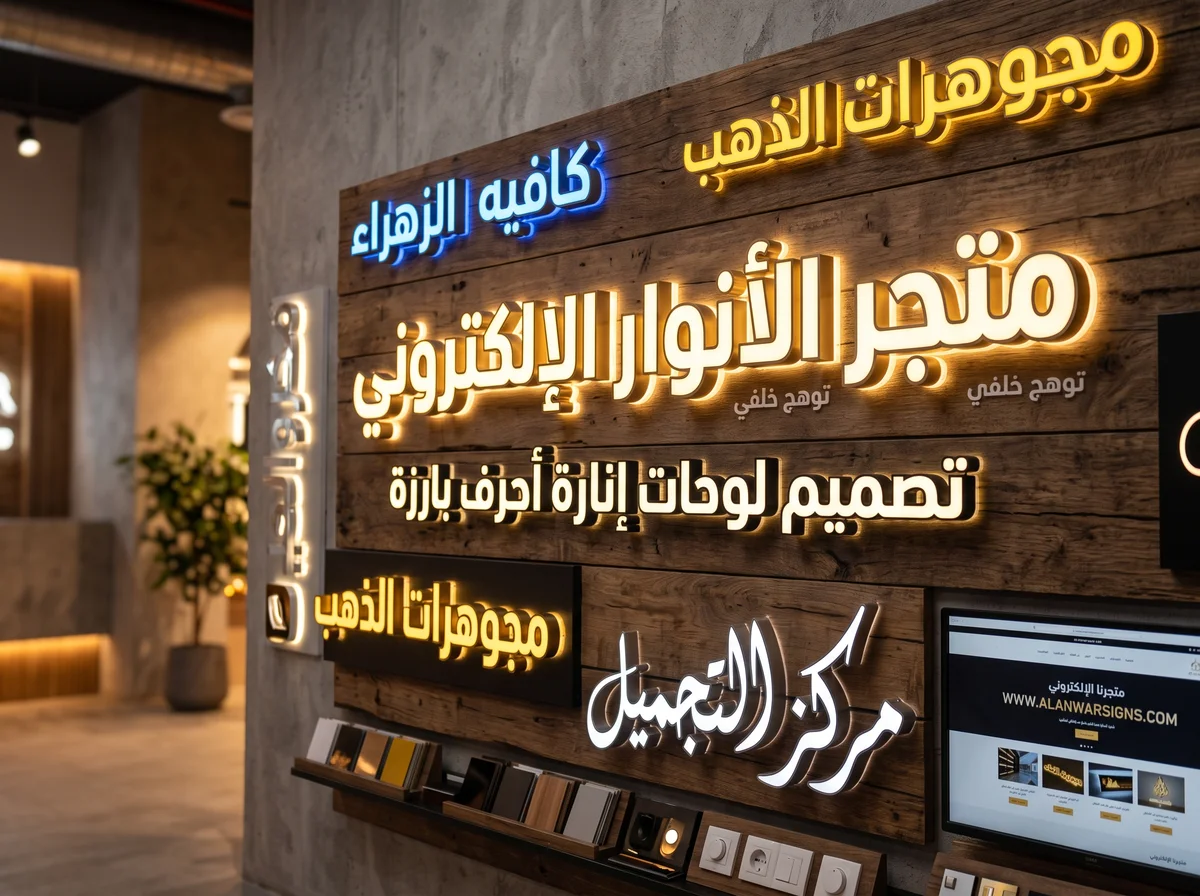
Outdoor advertising in Qatar has shifted dramatically in recent years — from static panels to dynamic digital displays. Today, the sight of LED screens on shopfronts, malls and towers across Doha is completely normal. The reason is simple: a single digital screen can run dozens of advertising messages in one day and be updated in seconds, with no new printing and no repeated installation work. But the success of this investment doesn't come from simply buying a screen. It depends on choosing the right type, the correct pixel pitch, and enough brightness to stand up to the Gulf sun — then managing the content professionally. In this guide we explain all of it in practical terms.
Why are businesses in Qatar moving to digital screens?
- Instant flexibility: change offers, prices and seasonal campaigns (Ramadan, National Day, White Friday) from a single device with zero printing costs.
- Motion grabs attention: moving content is noticed far more often than a static image.
- Multiple messages, one space: rotate ads for different departments of your store — or even sell screen time to other brands.
- Better measurement: schedule playback around peak hours and match your messaging to the busiest times in your area.
- A modern look: in a competitive market like Doha, a digital screen instantly elevates how your brand is perceived.
Types of digital screens and displays
1. Outdoor LED screens
Installed on shopfronts, building façades and above entrances, these are built from modules assembled inside a metal cabinet that is water- and dust-resistant to IP65 or higher. They need high brightness — starting at 5,000 nits and reaching 8,000 for façades exposed to direct sun — along with automatic night-time dimming so they aren't intrusive after dark.
2. Indoor LED screens
Ideal for showrooms, malls, banks and conference halls. The pixel pitch is much finer (P1.5 to P3) because the viewer stands close, and the brightness is lower for comfortable viewing. They're also used as stage and event backdrops in place of printed backdrops.
3. Digital totems and kiosks
A vertical stand with a 43", 55" or 65" LCD or LED screen, placed at a shop entrance or along mall walkways. An excellent option if you want a digital presence on a smaller budget, and a dynamic alternative to traditional display stands.
4. Video walls
A grid of thin-bezel screens working together as one large display — common in control rooms, trade exhibitions and premium reception areas.
5. Flexible and transparent screens
Advanced solutions for glass façades and curved columns. They let light pass through and keep visibility behind the screen, making them perfect for brands that want a striking visual effect without blocking the shopfront.
Pixel pitch and brightness: the two decisive specs
Pixel pitch is the distance in millimetres between the centre of one LED and the next. The smaller the number, the sharper the image — and the higher the price. A useful rule of thumb: the minimum viewing distance in metres roughly equals the pixel pitch figure.
- P2–P3: indoor use at very close range (receptions, meeting rooms).
- P4–P5: shopfronts on commercial streets and walkways.
- P6–P8: building façades and screens on secondary roads.
- P10 and above: large roadside billboards viewed from a distance.
Brightness is especially critical in Qatar's climate; a low-brightness screen will look completely washed out at midday. That's why we always recommend high brightness specifications with an automatic light sensor, together with cooling and ventilation systems that can handle the summer heat while keeping power consumption down.
Installation and support structure
A digital screen is heavier than a printed panel and needs a properly engineered steel structure, particularly on high façades exposed to wind. Our process starts with a site survey and façade measurement, then structural design, mapping the electrical run and data cabling, and allowing service access (front or rear) to reach the modules and power supplies. We also seal all fixing points to prevent water ingress during the rainy season, and earth the structure to guard against electrical faults. And if your façade needs a full refresh, the screen can be integrated with a cladding façade with 3D letters for one unified, coordinated design.
Content management: the part most people overlook
A screen without good content is wasted money. Screens are driven by a media player or a content management system (CMS) that lets you schedule videos and images remotely. For a professional result, stick to these rules:
- Design your content at the screen's actual pixel aspect ratio — not at generic ready-made sizes.
- Use large, bold type and strong colour contrast; fine detail simply disappears on P8 and P10 screens.
- Keep each scene to 5–8 seconds with one clear message only.
- Run alternating Arabic and English versions to speak to Qatar's diverse audience.
- Refresh the content at least monthly so passers-by don't learn to ignore it.
We also recommend that your digital content be a direct extension of the same brand identity used across your complete brand identity and printed materials — because repeating the same colours and logo is what builds recall with your customers.
Digital screen or traditional illuminated sign?
Not every situation calls for an LED screen. If your message is fixed (shop name and logo), an illuminated sign or 3D letters will be more affordable, longer-lasting and far simpler to maintain — you can explore the options in our article on illuminated signs and light boxes. But if you change your offers weekly, or work in restaurants, fashion, real estate or events, a digital screen pays for itself quickly. In many projects the best answer is a combination: a fixed sign for the name and a digital screen for the offers.
What affects the cost
- Area in square metres and pixel pitch (the biggest single price factor).
- Type of use: weather-resistant outdoor units cost more than indoor ones.
- Quality of modules and power supplies, compliance certification, and warranty period.
- Steel structure, electrical works, installation height and any lifting equipment required.
- Control system and programming, maintenance contracts and content production.
We always advise comparing quotations on the basis of written technical specifications (brightness, IP rating, operating life, warranty) rather than the bottom-line price alone — because the real difference only shows after a year or two of operating under the Qatari sun.
Maintenance and extending screen life
A routine maintenance schedule every 3 to 6 months should cover cleaning the display surface, checking seals and ventilation ports, testing the power supplies, recalibrating colours, and updating the player software. These simple steps prevent the most common faults: dead modules, unbalanced colour lines, or complete failure caused by moisture ingress.
Our services at Q Trend
At Q Trend we deliver complete outdoor advertising solutions across Doha and all cities in Qatar: site survey, recommending the right specifications for your budget, structure fabrication and installation, control system setup, and digital and print content design. We also produce advertising signage and shop signage, so you get a complete façade from a single source.
Ready to take your storefront digital? Get in touch with the Q Trend team on WhatsApp at +974 7784 9090, tell us your façade size and location, and we'll send you a technical recommendation and a quotation tailored to your project in Qatar.
Frequently Asked Questions
What's the difference between outdoor and indoor LED screens?
How do I choose the right pixel pitch?
Do I need a permit to install an advertising screen in Qatar?
What does it cost to run an LED screen, and does it need regular maintenance?
Need printing or advertising services in Qatar?
Contact Q Trend today for a free quote on your project in Doha and across Qatar.
Related Articles
Printing & Supplies for Flower Shops and Gift Styling Businesses in Qatar: Gift Cards, Wrapping Paper and Bouquet Labels
Receipt Roll & Cashier Paper Printing for Shops and Restaurants in Qatar: Sizes, Materials and Customisation
Engineering & Plotter Printing in Qatar: Sizes, Materials and Binding