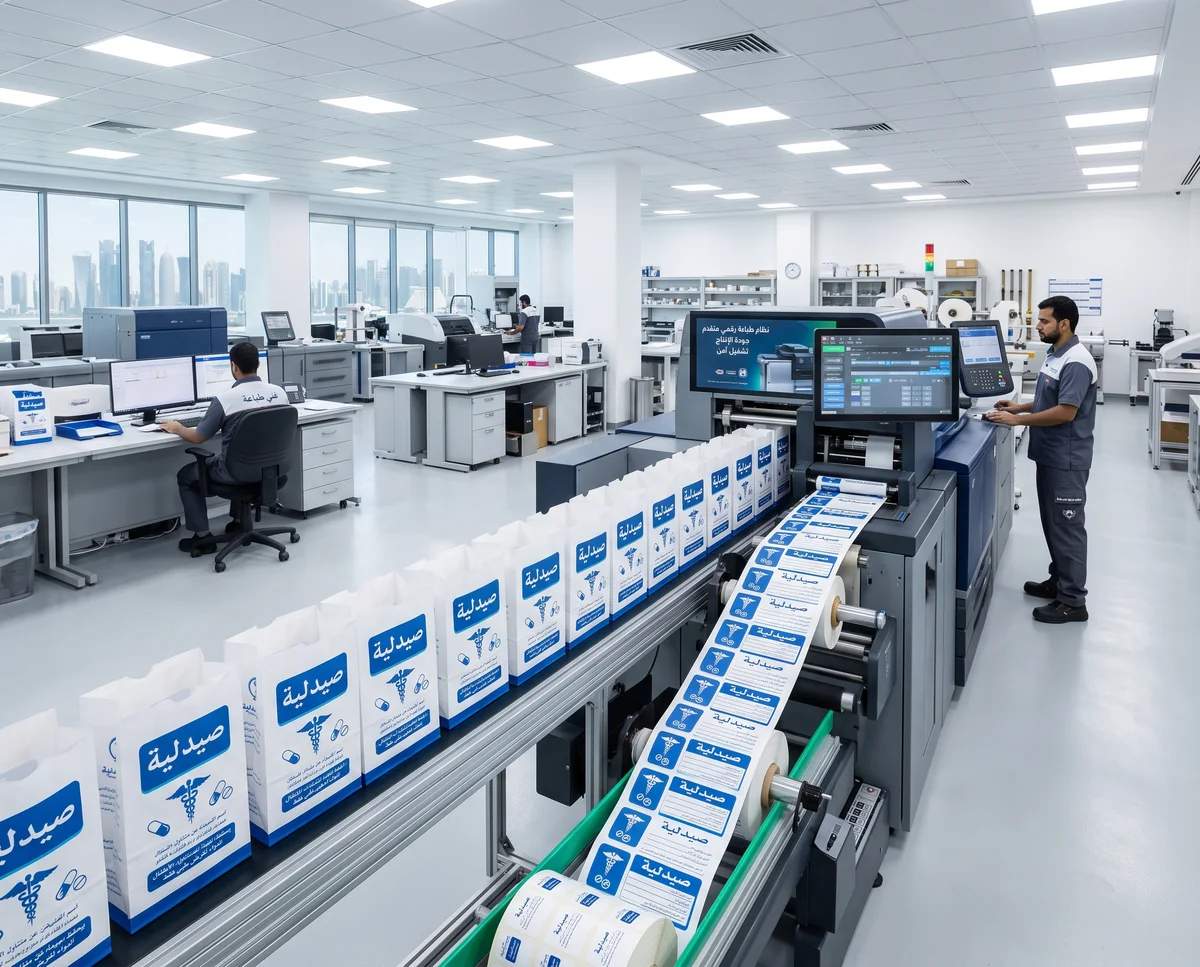
Premium Print Finishes in Qatar: Spot UV, Gold Foil, Embossing and Lamination
In a market as competitive as Qatar, the difference between an ordinary printed piece and one that leaves an impression no longer lies in the design alone — it lies in the finishing that your client feels with their fingertips before they read a single word. A business card on heavy stock with matte lamination and a spot UV gloss on the logo says more about your company than a full page of text ever could. In this guide we break down the most important premium print finishes available in Doha and across Qatar, when to use each one, and how to prepare your file so the result comes out exactly as you imagined it.
What Do We Mean by Print Finishing?
Finishing covers every process applied to a printed piece after it comes off the press: protection, cutting, binding, and the addition of raised or metallic touches. It serves a double purpose: protecting the print from wear and moisture — an important consideration in Qatar's humid summer climate — and raising the perceived value of the brand. In practical terms, finishing is what makes your client keep your card in their wallet instead of throwing it away.
1. Lamination: The Essential Layer of Protection
Lamination is a thin, clear film heat-bonded onto the surface of the paper. The most common types in Qatar are:
- Gloss: boosts colour saturation and sharpness — ideal for flyers, catalogue covers and restaurant menus.
- Matte: a smooth feel and a calm, refined look — the best choice for corporate identity, business cards and envelopes.
- Soft Touch / Velvet: a velvety, leather-like feel — a luxury option for premium brands and gift boxes.
- Anti-Scratch: resists fingerprints and scuffs — useful for printed pieces with dark backgrounds.
A professional tip: solid black with gloss lamination shows fingerprints very quickly, which is why we always recommend matte or soft touch for dark backgrounds.
2. Spot UV: Gloss Exactly Where You Want It
Spot UV is a glossy varnish applied only to selected parts of the design and cured with ultraviolet light. It works on contrast: a matte background plus a glossy logo or pattern equals a powerful visual highlight without adding a single extra colour. It is widely used on:
- The logo on premium business cards.
- Cover headlines and product images in catalogues.
- Decorative patterns and Arabic calligraphy on invitations and packaging boxes.
There is also Raised (3D) UV, printed with enough thickness to be felt with the fingertips — an excellent option when you want a tactile effect at a lower cost than embossing.
3. Foil: Gold, Silver and the Metallic Touch
Hot foil stamping uses a heated metal die to transfer a metallic film onto the paper. It delivers a genuine metallic shine that ordinary printing simply cannot imitate. The most requested colours in the Qatari market are bright gold, rose gold, silver and copper, along with holographic foil.
Foil is perfect for sectors that sell trust and prestige: real estate, investment, legal consultancy, beauty salons and jewellery. It is also widely used on stationery and folders for companies that want a strong corporate presence in their meetings.
4. Embossing and Debossing: Raised and Recessed Impressions
Embossing lifts an element above the surface of the paper, while debossing presses it down into it. The result is a finish you notice by touch before you see it — the finish most closely associated with the idea of "quiet luxury." It can also be combined with foil in a single process known as foil embossing, giving you a logo that is raised and gleaming at the same time.
A technical note: embossing needs paper with sufficient weight (300 gsm and above, ideally cotton or textured stock), because lighter weights crack or show the impression on the reverse side.
5. Special Cutting and Coloured Edges
- Laser Cut: intricate patterns and ornaments cut out with high precision — extremely popular for wedding invitations and national day events in Qatar.
- Die Cut: cutting the piece into an unconventional shape or with rounded corners using a custom die.
- Edge Painting: colouring the edge of the card in gold or your brand colour — a small detail, but an unforgettable one.
- Duplex Paper: bonding two sheets of different colours together for a thickness of 600–800 gsm.
How to Choose the Right Finish for Your Project
The practical rule: pick one finish, two at most, and apply it only to the most important element (usually the logo). Piling on finishes strips them of their impact and doubles the cost for nothing in return. We also recommend linking the decision to the printing method you use — you'll find a useful breakdown in our article on digital printing versus offset in Qatar, since some finishes perform far better with offset printing on large runs.
For multi-page marketing material such as booklets and brochures, it's best to concentrate the finishing on the cover alone and leave the inside pages on standard matte stock — an elegant result at a sensible cost.
Preparing Your File Correctly
- A PDF file at 300 dpi in CMYK colour mode.
- 3 mm bleed on every side, with a 4–5 mm internal safety margin.
- A separate layer for each finish (UV / Foil / Emboss) in 100% black and clearly named.
- Fonts converted to outlines to avoid Arabic typefaces being substituted.
What Affects the Cost
Finishing costs in Qatar are driven by four factors: the type of finish, the quantity, the coverage area, and the number of sides. Foil and embossing require a metal die paid for once, so the unit price drops noticeably as the quantity increases. Lamination and digital spot UV, on the other hand, cost less and suit smaller runs. Our advice: always ask for a printed proof before running the full quantity, especially when applying foil to fine Arabic lettering.
Why Q Trend?
At Q Trend we deliver all of these finishes for clients in Doha, Al Wakrah, Al Rayyan, Al Khor and Umm Salal, with a design team that can build your finishing files from scratch if needed, and real paper samples you can touch before you approve. We work with start-ups just as readily as we work with institutional clients, and we'll help you choose the finish that serves your brand and fits your budget without overdoing it.
Want your next print run to be the standout piece in your upcoming meeting? Send us your design or your idea on WhatsApp at +974 7784 9090 and we'll guide you to the ideal combination of paper and finishes, with a clear quotation and a sample before production.
Frequently Asked Questions
What's the difference between matte and gloss lamination?
Do finishes like foil and embossing require special artwork?
What's the minimum order quantity for premium-finish print in Qatar?
How long does production take for prints with special finishes?
Need printing or advertising services in Qatar?
Contact Q Trend today for a free quote on your project in Doha and across Qatar.
Related Articles
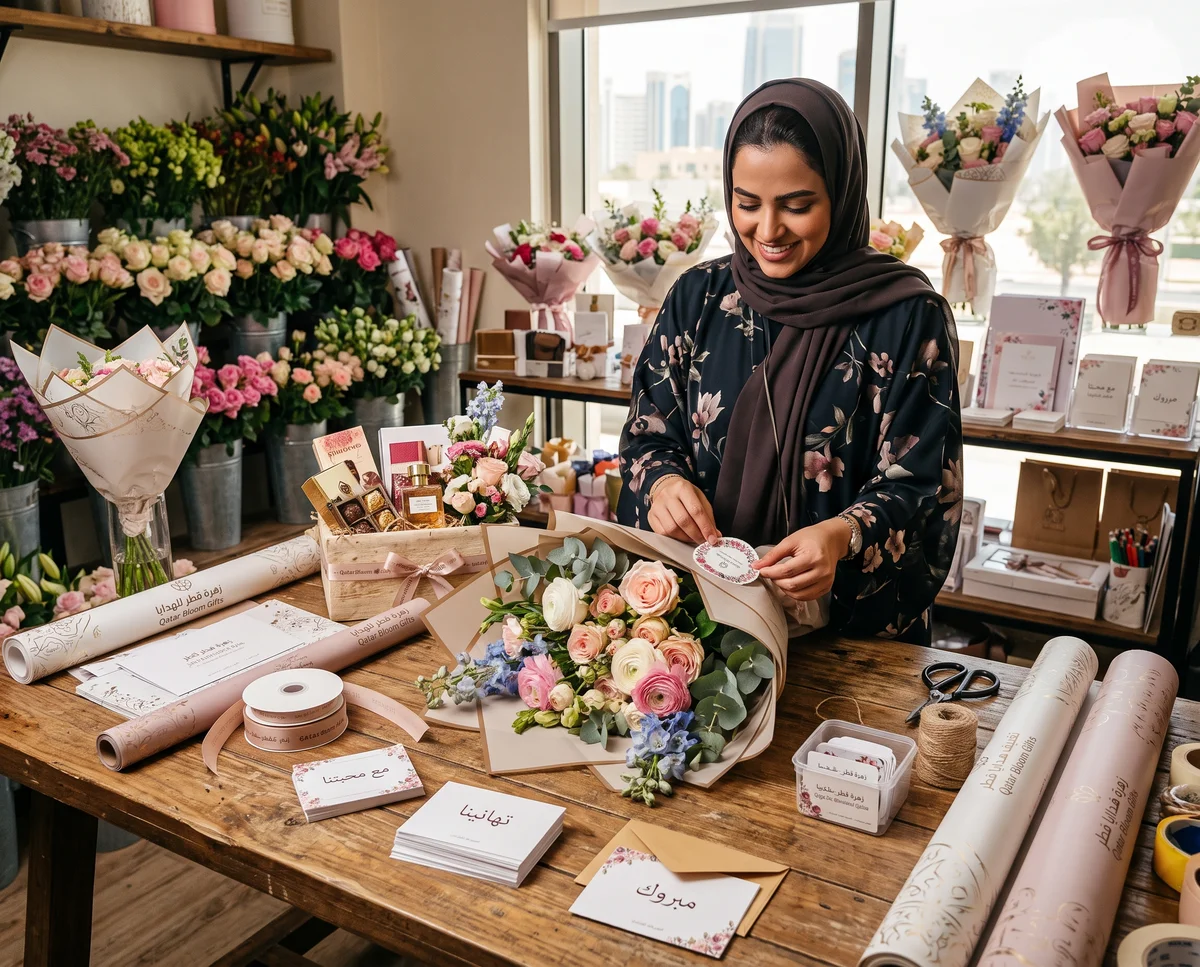
Printing & Supplies for Flower Shops and Gift Styling Businesses in Qatar: Gift Cards, Wrapping Paper and Bouquet Labels
Receipt Roll & Cashier Paper Printing for Shops and Restaurants in Qatar: Sizes, Materials and Customisation
Engineering & Plotter Printing in Qatar: Sizes, Materials and Binding