Shop Cladding Facades in Qatar: Types, Colours, Installation and Cost
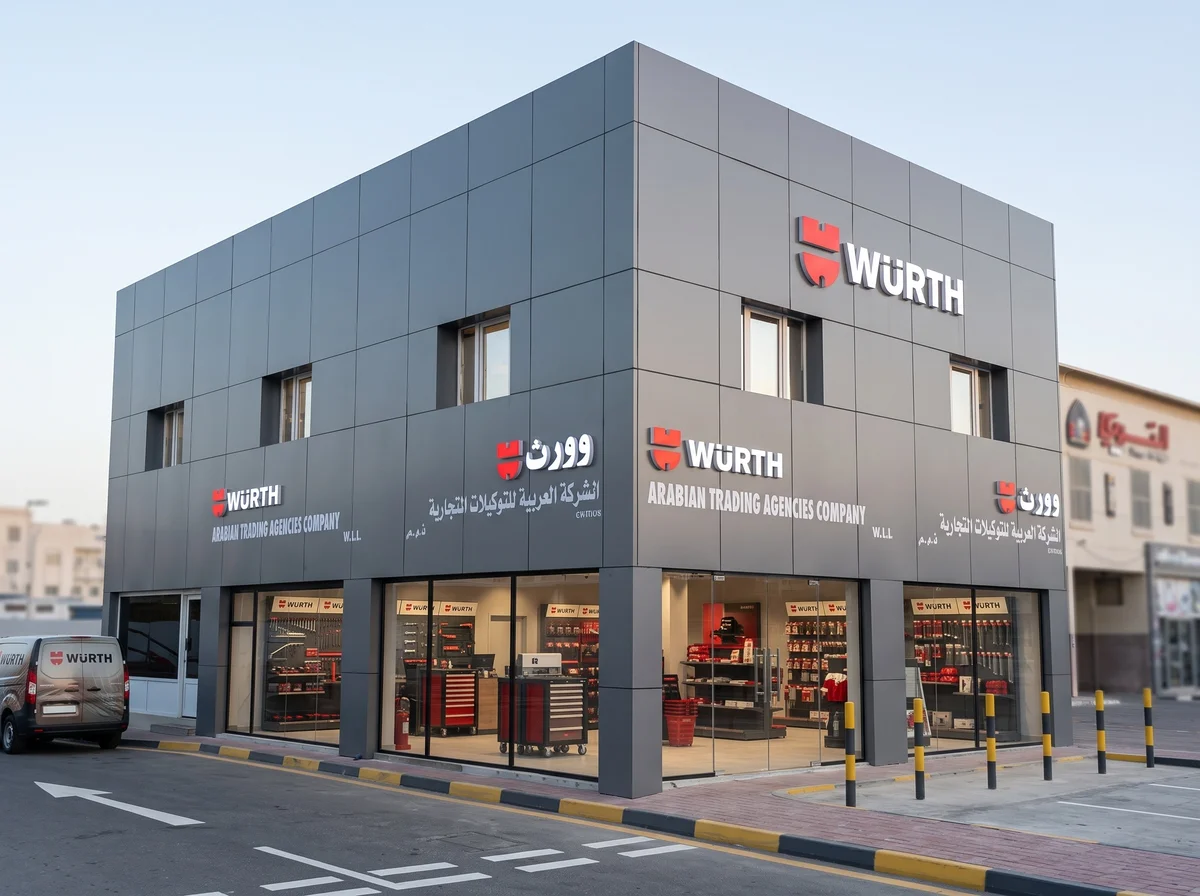
Your shopfront is the first thing a customer sees before they even step inside — and in Qatar, ACP cladding (Aluminium Composite Panel) has become the go-to choice for building that façade, thanks to its clean look, fast installation and ability to withstand summer heat and coastal humidity. Whether you're opening a restaurant in Lusail, a salon in Al Wakrah, or a car showroom on the Industrial Area road, choosing the right type of cladding and the right installation method has a direct impact on how your brand looks and how long it stays looking good. In this guide we break down the types, colours, installation stages and costs in practical language, without the engineering jargon.
What is cladding, and why does it dominate shopfronts in Qatar?
Cladding is a composite panel made of two thin aluminium skins with a polyethylene or fire-resistant core in between. This structure gives it light weight combined with high rigidity, making it easy to cut, bend and shape in the production workshop and then install on the façade within a few days. Here's why it has become the most widely used option in Doha:
- A perfectly flat, ripple-free surface that delivers a modern, elegant look.
- Light weight compared to stone or glass, reducing the load on the façade.
- A huge range of colours and finishes (gloss, matte, wood, marble, metallic).
- Fast installation and the ability to conceal structural flaws in older façades.
- Easy to combine with 3D illuminated letters, LED lighting and screens.
Types of cladding panels: how to choose the right one
1. By exterior coating
- PVDF (fluorocarbon): the approved choice for exterior façades in Qatar. UV-resistant and holds its colour for many years despite the summer sun.
- PE (polyester): cheaper, but it fades within 2–3 years outdoors, so it's recommended only for interior décor, ceilings and counters.
- Nano PVDF: an extra self-cleaning layer that reduces dust build-up — extremely useful in desert areas and along highways.
2. By core material
- Standard core (PE): suitable for small shops and low-rise façades.
- Fire-resistant core (FR / A2): required for high-rise buildings, shopping complexes and government facilities, and often mandated by mall management and safety authorities.
3. By thickness
The common thicknesses are 3 mm and 4 mm — but what matters even more is the thickness of the aluminium skin itself (0.21 / 0.30 / 0.50 mm). The thicker the aluminium, the less likely the panel is to ripple under heat. For large commercial façades we recommend 4 mm with an aluminium skin of no less than 0.30 mm.
The most requested colours and finishes
Choosing a colour isn't just a matter of taste — it's part of your brand identity. The most popular options in the Qatari market:
- White and matte grey: a neutral backdrop that makes illuminated letters and logos stand out.
- Matte black: the most in-demand finish for restaurants, cafés and upscale salons.
- Gold and champagne: adds a sense of luxury for jewellery shops, perfume stores and clinics.
- Wood finish: for coffee shops, bakeries and projects with a warm character.
- Custom colours to match your brand guidelines: a colour matched to your brand's Pantone can be ordered for large quantities.
A practical tip: always request a physical colour sample and view it in natural daylight in front of the façade, because colours look very different on screen, in a catalogue and in real life.
Installing a cladding façade, step by step
- Site survey and measurement: a visit to the site to take precise measurements and identify power points and lighting routes.
- 3D design: a preview of the final façade with colours and lettering, presented for approval before work begins.
- Frame preparation: installing an aluminium or galvanised steel frame fixed at carefully calculated intervals to keep the panels perfectly level.
- Cutting and bending (CNC): cutting the panels and forming the edges in the workshop to millimetre precision.
- Installation: fixing the panels with even joints, then sealing them with weather-resistant exterior silicone.
- Lighting and lettering: mounting the 3D letters or light strips, connecting the power and testing everything at night.
- Cleaning and handover: removing the protective films, cleaning the façade and handing it over ready for opening day.
You can also review the details of our cladding façade and 3D letter installation service for the full scope of work.
Combining cladding with your sign and illuminated letters
On its own, cladding is a silent backdrop; its real value appears when it's combined with your brand elements. Common approaches include raised stainless steel letters with backlit illumination for understated luxury, front-lit acrylic letters for greater visibility at night, or fitting a shop sign as a light box within the cladding frame. It's best to define the position and size of the letters at the design stage so the joints are distributed evenly and the electrical wiring can be run behind the panels instead of breaking into them later.
Factors that affect the cost
- Area in square metres and panel type (PVDF or PE, standard or fire-resistant).
- Design complexity: corners, curves, openings and CNC work all push the cost up.
- Type of supporting frame, façade height, and whether the job requires a lift or scaffolding.
- Lighting: the number and type of letters, the quality of the LED units and the power transformers.
- Installation timing: night work or work inside shopping complexes adds operational cost.
Real savings don't come from the cheapest quote — they come from a façade that doesn't need redoing after two years. Also read our article on weather-resistant outdoor signage in Qatar to understand how the climate affects the lifespan of a façade.
Common mistakes to avoid
- Using PE panels outdoors to cut costs, only for the colour to fade within two seasons.
- A supporting frame with intervals that are too wide, causing the panels to ripple under heat.
- Skipping UV-resistant exterior silicone, allowing moisture and dust to seep in.
- Installing letters before approving a 3D design, leaving them visually unbalanced.
- Failing to leave maintenance access for the wiring, which means dismantling panels for even a minor fault.
Maintenance to keep your façade looking its best
Clean the façade with water, a pH-neutral soap and a soft cloth every 3–6 months, and avoid abrasive cleaners or strong solvents. Inspect the joints and silicone annually, and make sure every lighting unit is working ahead of key seasons and occasions. These simple steps add years to the life of your façade and keep it looking like day one.
Why choose Q Trend for your façade?
At Q Trend we deliver your façade as a complete package: a site survey and measurement at your location in Doha or anywhere in Qatar, a 3D design for approval, genuine PVDF panels, a precision-fabricated frame, and illuminated letters produced in our own workshop with a warranty on the lighting. And because a façade is part of a bigger picture, we also help you unify your logo and colours across signage, print materials and glass fronts as part of a complete brand identity that looks equally strong at every customer touchpoint.
Planning to open a new shop or refresh an existing façade? Send us your façade measurements or a photo via WhatsApp on +974 7784 9090 and we'll come back to you with an initial concept and a clear quotation in no time — from site survey to handover, the Q Trend team takes care of everything.
Frequently Asked Questions
What's the difference between PVDF cladding and PE cladding?
How long does it take to install a cladding shopfront in Doha?
Does cladding installation require approval or a permit in Qatar?
How long does a cladding façade last in Qatar's climate?
Need printing or advertising services in Qatar?
Contact Q Trend today for a free quote on your project in Doha and across Qatar.
Related Articles
Printing & Supplies for Farms and Pet Shops in Qatar: From Product Labels to Cage Signs
Printing & Supplies for Flower Shops and Gift Styling Businesses in Qatar: Gift Cards, Wrapping Paper and Bouquet Labels
Receipt Roll & Cashier Paper Printing for Shops and Restaurants in Qatar: Sizes, Materials and Customisation