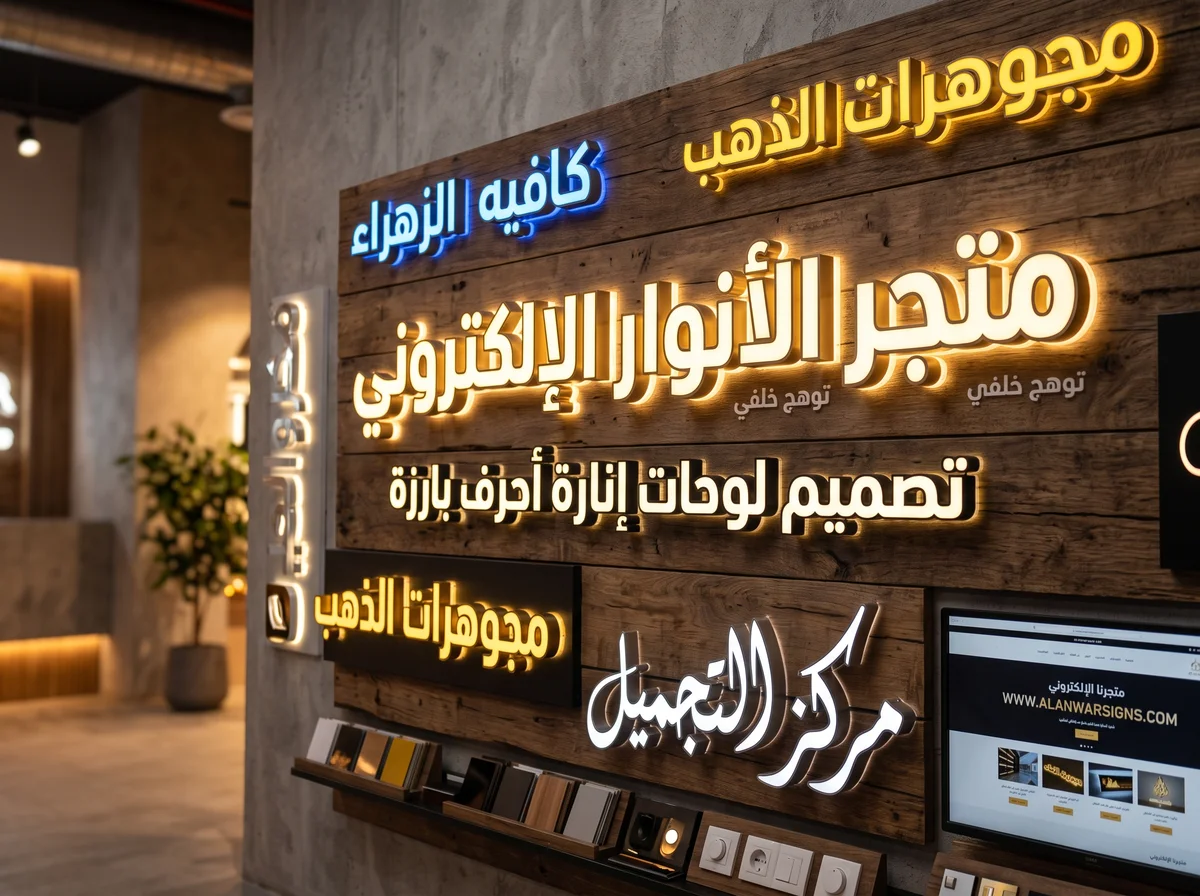
Laser Cutting & Engraving Services in Qatar: Acrylic, Wood and Metal
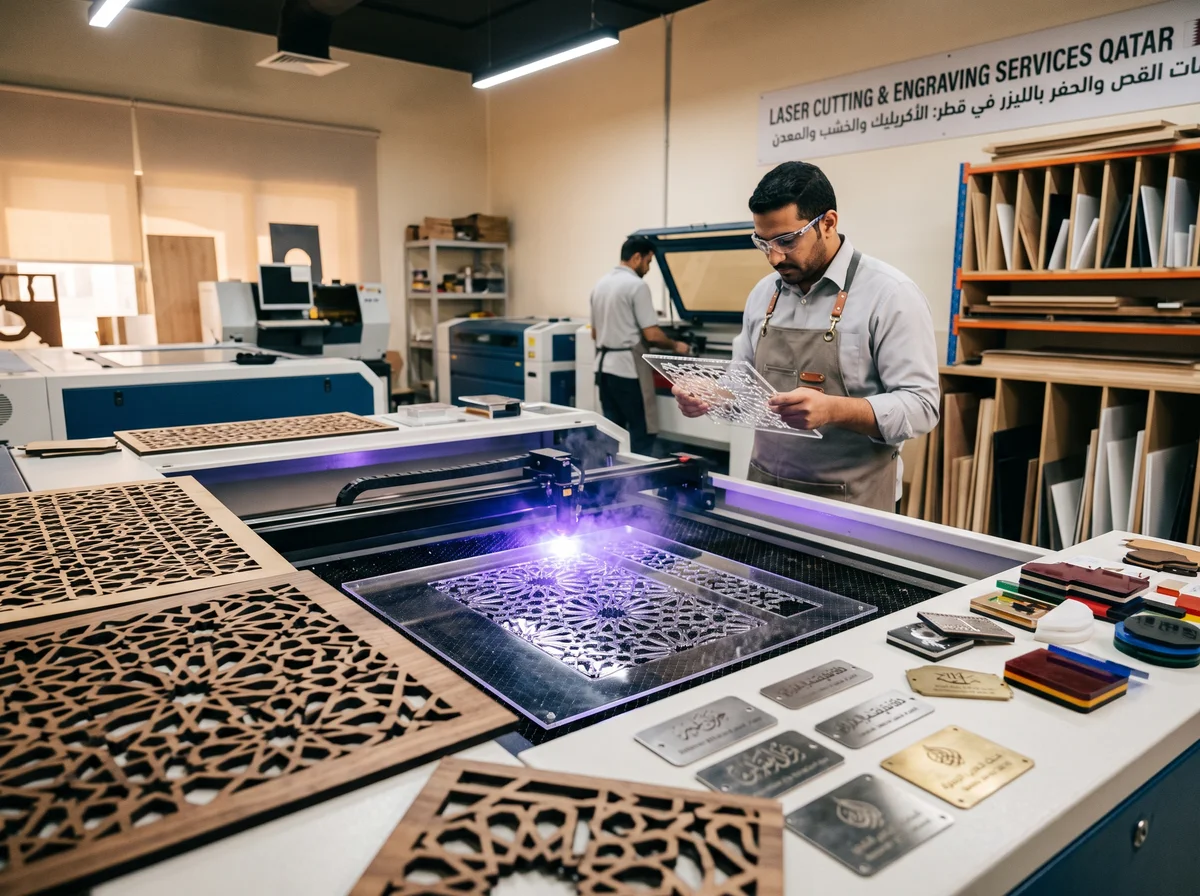
Laser technology has reshaped the signage, gifts and décor industry in Qatar over the past few years. What once required moulds, saws and hand tools is now produced to tenths of a millimetre with clean edges that need no sanding. From illuminated acrylic panels in West Bay towers to wooden award shields in schools and ministries, and from name badges in restaurants to luxury gift packaging templates — every one of these applications relies on laser cutting and engraving. In this guide we explain how the technology works, which materials are available in the Qatari market, how to choose between cutting and engraving, and what your file should contain before you send it for production.
How does laser cutting and engraving work?
The machine uses a focused, high-energy laser beam directed through lenses and mirrors onto the surface of the material. Raise the power and slow the speed, and the beam passes right through the material — that is cutting. Lower the power and increase the speed, and it removes only a surface layer — that is engraving. There are two main types of machine on the market:
- CO₂ laser: the most common type, ideal for acrylic, wood, MDF, leather, paper, fabric and cork. It leaves a glossy edge on acrylic that needs no further polishing.
- Fiber laser: designed for metals — stainless steel, aluminium and brass — whether for precision cutting or for permanent marking with no inks and no chemicals.
The key advantage of the laser is that it is a non-contact process: no mechanical pressure on the material and no tool wear, which means consistent accuracy from the first piece through to the hundredth.
The most widely used materials in Qatar
Acrylic
The star material of laser projects. It comes clear, milky white and coloured, in thicknesses from 2 to 20 mm. It is used for door plates, reception logo panels, cut-out lettering, brochure holders, ballot and prize-draw boxes, and award plaques. For a fuller comparison between acrylic and other panel materials, see our article on Foamex and acrylic panels.
Wood and MDF
These give a warm, premium feel that suits award shields, Ramadan gifts, wooden restaurant menus, rustic café signs and interior décor pieces. Engraving on wood produces a deep brown tone with beautiful contrast, and it can be combined with paint or gilding. Award-related projects are covered in more detail in our article on certificates of appreciation and award shields.
Metals
Engraving on stainless steel and aluminium is used for desk name plates, equipment and technical specification plates, hotel room numbers and metal staff badges. Laser marking is permanent and resistant to heat and chemicals, which is exactly why it is the standard in Qatar's industrial and medical sectors.
Leather, paper and fabric
Natural and synthetic leather can be engraved to produce wallets, diaries and keyrings carrying the company logo. Card stock can be cut to create luxury invitations with intricate cut-outs, as well as gift box templates. Fabric is cut with sealed edges that will not fray — a real benefit for embroidered logos and promotional accessories.
Leading commercial applications in Doha
- Shopfront signage and lettering: precision cutting of acrylic or aluminium letters before mounting them as raised or illuminated letters on the storefront.
- Reception signs and wall logos: multiple acrylic layers at different heights to create elegant depth and shadow.
- Name and job title badges: laser-engraved acrylic or metal with a magnet or clip fitting.
- Corporate and event gifts: keyrings, pen holders, wooden clocks and gift boxes cut out with your logo.
- Restaurant and café items: table numbers, menu holders, QR ordering plates and "reserved" signs.
- Interior décor: partitions and screens cut with Islamic or geometric patterns, room name plates and wall panels.
- Industrial templates and models: precision-cut parts for architectural models, exhibitions and promotional stands.
Laser cutting vs. CNC router cutting
This question comes up constantly when ordering signage. The laser is more accurate and gives a cleaner edge on thin and medium thicknesses, and it excels at fine detail, delicate Arabic scripts and complex cut-outs. The CNC router, on the other hand, is better for greater thicknesses (over 20–25 mm) and for materials the laser cannot cut, such as Alucobond and thick PVC. On shop signage projects the two techniques are often used together: the router for the structure and backing, the laser for the lettering and fine detail.
What determines the price?
- Material type and thickness: every extra millimetre means longer cutting time and higher power.
- Total cutting path length: laser pricing is based on time, and an intricate cut-out design consumes far more of it than a simple rectangle.
- Engraved area: engraving an entire background costs considerably more than engraving lines and text alone.
- Quantity: larger runs reduce the cost per piece thanks to more efficient nesting of parts on the sheet.
- Additional finishing: edge polishing, painting, colour fill inside the engraving, assembly, and fitting screws or lighting.
Tips for preparing a production-ready file
- Work in a vector file (AI / EPS / PDF / DXF) at true 1:1 size.
- Convert all text to outlines to avoid font substitution issues.
- Separate cut lines from engraving areas using two different colours, and name your layers clearly.
- Avoid very thin lines in cut-out shapes, as small parts may drop out or distort.
- Allow for material thickness when designing interlocking parts, and leave a slight tolerance for assembly.
- With joined Arabic lettering, make sure the design stays as a single piece or add discreet support bridges.
Laser cutting and engraving with Q Trend
At Q Trend we treat laser projects as part of a wider service that covers design, printing and installation. We take your idea or logo, turn it into a production-ready cutting file, select the right material and thickness for the application (indoor or outdoor), then produce, assemble and install across Doha and the rest of Qatar. And if your project involves raised lettering or lighting, we can combine it with illuminated 3D letters for a complete result from a single supplier.
Have a design you want produced by laser — a sign, an award shield, a gift or a décor piece? Send us the file, or even a rough sketch, on WhatsApp at +974 7784 9090 and we will give you technical advice on material and thickness plus a clear quotation with a defined turnaround time, including delivery and installation within Qatar.
Frequently Asked Questions
What's the difference between laser cutting and laser engraving?
Which materials can be laser-cut or laser-engraved?
How long does a laser cutting and engraving order take in Doha?
What file format do you need for laser cutting?
Need printing or advertising services in Qatar?
Contact Q Trend today for a free quote on your project in Doha and across Qatar.
Related Articles
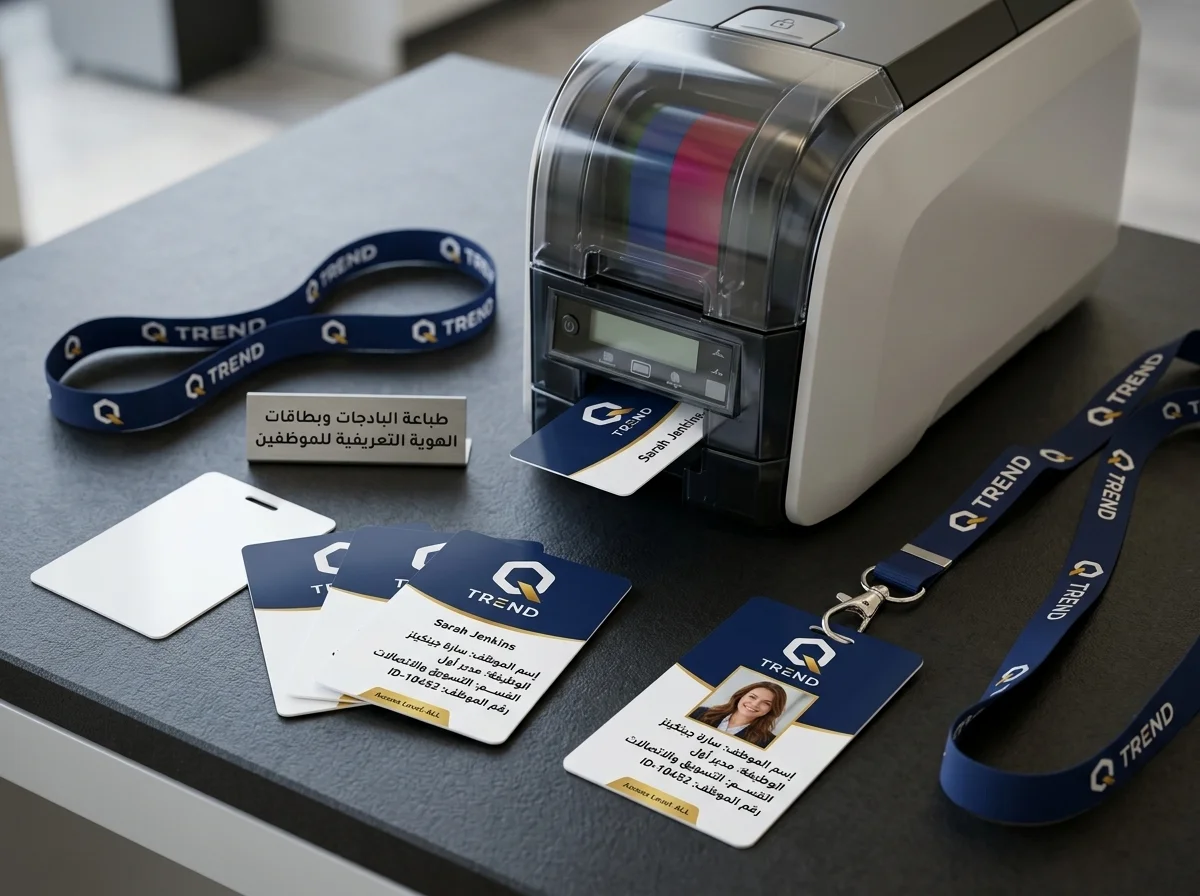
Printing Employee Badges & ID Cards in Qatar: Types, Lanyards and Design
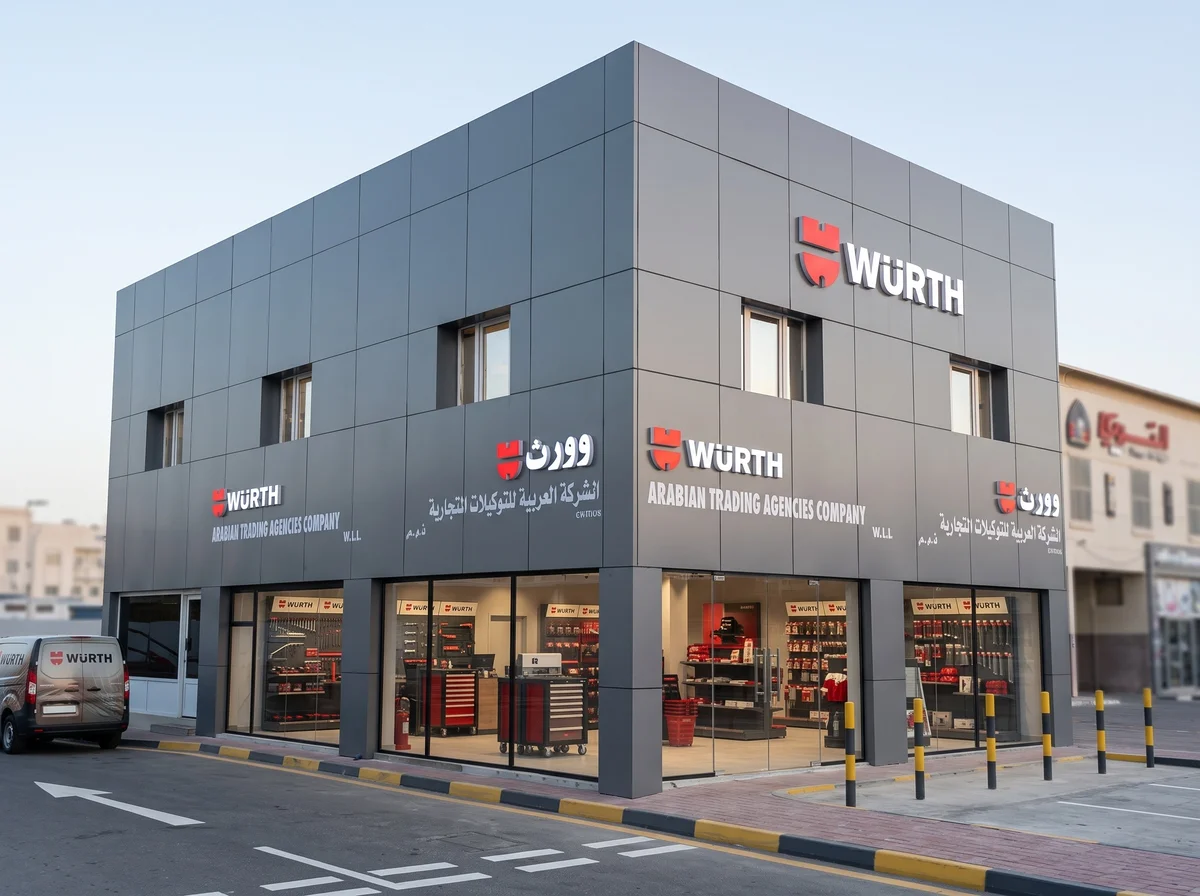
Shop Cladding Facades in Qatar: Types, Colours, Installation and Cost
Custom Plastic & Retail Bag Printing in Qatar: Materials, Sizes and Print Options