Printing for Art Galleries in Qatar: Artwork Labels, Exhibition Guides and Collector Folders
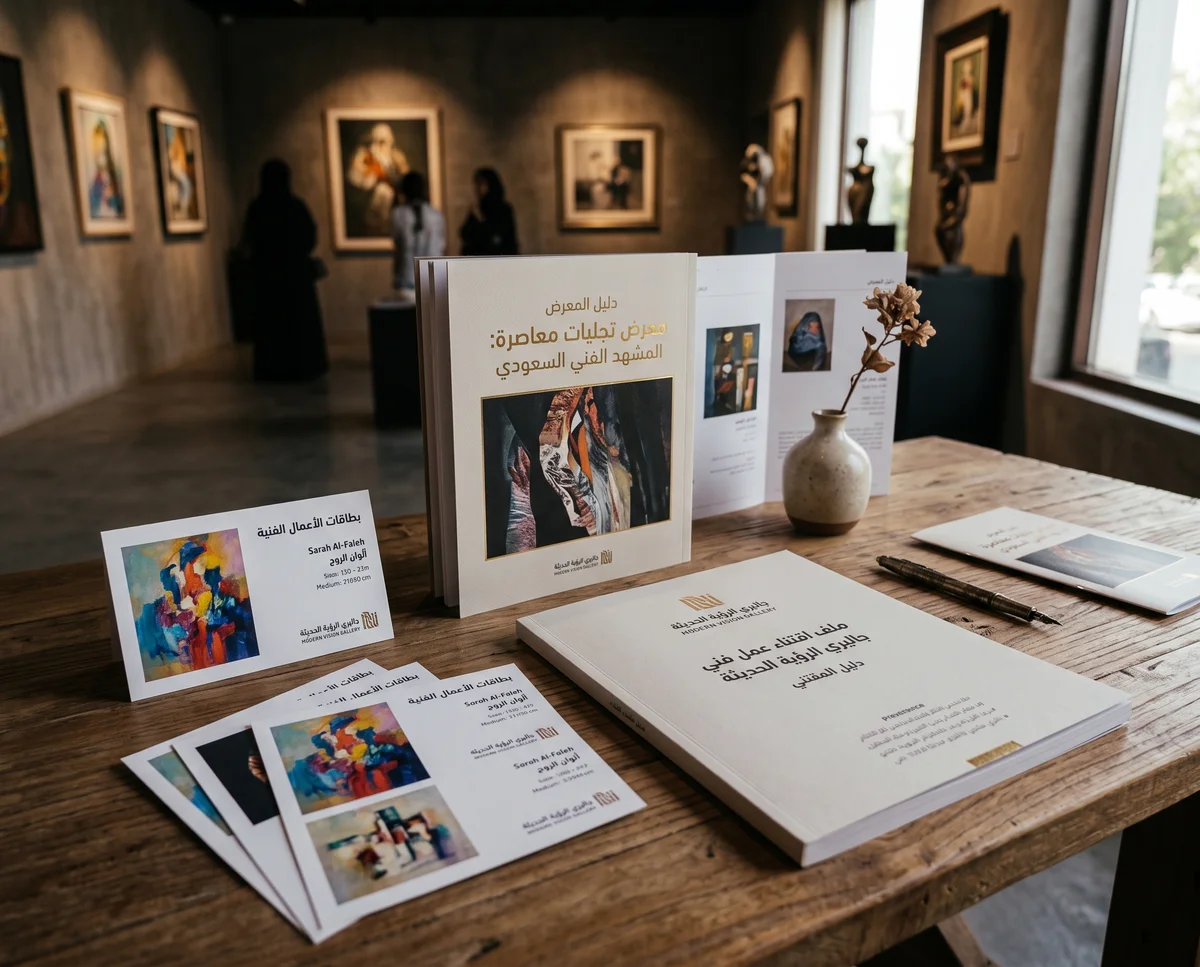
At an art exhibition, visitors need information that helps them understand the work without competing for their attention. A label beside a painting, a well-organised guide at the entrance and a clear collector folder can make the move from viewing to enquiring feel more natural. Planning art gallery printing in Qatar therefore starts with the visitor journey and the collection on display. Whether the exhibition is in Doha or elsewhere in Qatar, its printed materials should reflect the venue’s character and present artist and artwork details accurately and consistently.
Build a single artwork list before designing
Collect the exhibition information in one reference spreadsheet and have the person responsible for content review it before anything goes to print. Give each work a fixed reference number to use on its wall label, in the exhibition guide and on any price list. This connection is particularly useful when titles are similar or an artist is showing a series of related pieces. Keep public information separate from internal notes, such as private collector contact details or instructions for the sales team.
- The artist’s approved name in Arabic and English.
- The artwork title, year, and medium or technique.
- Dimensions in a consistent order, stating whether the frame is included.
- The reference number, matching artwork image and text approval status.
Artwork labels: clear information with a quiet presence
Choose label dimensions around the amount of text and the visitor’s reading distance, then test a full-size sample beside the intended display position. Give the artist’s name, artwork title and description a clear visual hierarchy rather than treating them all equally. This helps visitors find the information they want. Where a piece needs a longer explanation, consider a separate interpretive label instead of squeezing it below the essential details.
Arranging Arabic and English
Use the same language order throughout the exhibition and allow each language the space its text naturally requires. Check artist names and artwork titles with the artists or organiser, and use an approved English title where one exists. Review punctuation, numbers and text direction carefully, particularly when dimensions, dates and foreign terms appear together on one line.
Materials and mounting shape the experience
Paper presented in a holder may suit a temporary exhibition, while rigid labels can be considered where the display calls for them. Compare finishes under the gallery lighting, since reflections can make text difficult to read from certain angles. If the design uses labels and stickers, specify the surface and removal requirements, then test the mounting method before using it throughout the space, keeping it away from the artworks.
Exhibition guides: what should visitors take away?
Not every exhibition needs a substantial publication. A folded guide covering the exhibition concept, participating artists and a simple layout of the sections may be enough. A show with a research focus or a broad collection may call for a more extensive booklet. Establish the guide’s purpose first: will it support navigation, offer interpretations of the works, or serve as a reference after the visit?
- A short introduction explaining the exhibition concept in accessible language.
- A sequence of works or sections that follows the display wherever practical.
- An artist biography for each participant without repeating the same details across pages.
- Contact information and, where useful, a QR code linking to the exhibition page.
The guide can be planned alongside folder and brochure printing options to suit its distribution. Check a folding sample or page sequence before approval, keeping essential text and images clear of folds. If you include a QR code, test the printed version on different phones and confirm that it opens the correct page.
Collector folders and organised artwork information
A collector needs a coherent set of information about the selected work. A folder can bring together its details sheet, an approved description, care instructions supplied by the artist or relevant specialist, and the commercial documents appropriate to the purchase. Use the same artwork reference throughout to make matching documents to the piece straightforward, and check the collector’s name and artwork details before handover.
When preparing folders and official stationery, make the layout easy to populate with different details without rebuilding the template each time. Any artwork document supplied by the artist should follow their approved content and authorisations; printing alone does not establish an artwork’s authenticity. Avoid adding descriptions such as “limited edition” unless the edition details are documented by the party responsible for the work.
Separate lasting content from changing information
A work’s availability may change during an exhibition while its artistic details stay the same. Prices and availability can therefore sit on a separate sheet or a page managed by the gallery team, leaving the wall label focused on identifying the work. Assign responsibility for updates and date internal lists so the team does not rely on outdated copies when answering enquiries.
Review printed materials before opening
Review the materials in their intended setting as well as on a design screen. Position a sample label under the lighting, open the guide while standing and try placing the documents inside the collector folder. If the guide includes artwork photographs, review them with the content owner. Printed colours can differ from a screen, and a small reproduction should not be used to assess the details of the original work.
- Match every label to the correct artwork and reference number.
- Check both languages, artist names and page order.
- Allocate quantities between reception, exhibition rooms and the enquiries team.
- Agree on a process for replacing a label or reprinting a list when needed.
To discuss printing for your art exhibition in Doha or anywhere in Qatar, contact Q Trend on WhatsApp at +974 7784 9090. Share your artwork list, opening date, quantities and photographs of the display space to discuss artwork labels, exhibition guides and collector folders suited to your exhibition.
Frequently Asked Questions
What information belongs on an artwork label?
Should artwork prices appear on labels or in a separate list?
How can artwork labels be mounted without damaging the wall?
What should I send Q Trend for an exhibition printing enquiry?
Need printing or advertising services in Qatar?
Contact Q Trend today for a free quote on your project in Doha and across Qatar.