Custom Board Game and Card Printing in Qatar: From Concept to Playable Prototype
A board game may begin as an idea on paper, but turning it into an enjoyable experience requires connected printing decisions. Card dimensions affect handling, board folds influence box design, and the organization of the rules affects whether players can start without a lengthy explanation. Whether you are developing a family game, conversation cards or a branded game in Qatar, this guide will help you prepare a clear print brief and a playable prototype before discussing production with a printing company in Doha.
Build a Component List Before Designing the Artwork
List everything a player will find inside the box, including each component’s purpose, quantity and proposed dimensions. Separate question cards, role cards, tokens, the game board and the rulebook, even when they share a color scheme. This list reveals which pieces need double-sided printing, special cutting or separate storage. Add a version number and date to your files to keep revisions organized.
- The name and quantity of each component needed per game.
- Finished dimensions and whether the component is used horizontally or vertically.
- The number of unique designs, with fronts and backs identified for each deck.
- Separately purchased components, such as dice or wooden pieces, with their actual dimensions.
Playing Cards: Readability and Comfortable Handling
Test the Size in a Player’s Hand
Do not choose card dimensions solely from an on-screen design. Print a test sheet at actual size, cut out the cards and try holding the number required during a typical turn. A question card needs a different amount of reading space from a card showing only a symbol. If you plan to use protective sleeves, check their dimensions before finalizing the cards and their storage space inside the box.
Keep Backs Consistent and Check Front-to-Back Pairing
When a game relies on concealing card identities, use a consistent back design within each deck and avoid details that accidentally reveal a particular card’s orientation. Check that every front is paired with its intended back, especially when several decks are involved. Keep essential text and symbols away from the edges, and discuss rounded corners with the printing company because the cut shape changes the usable space around the content.
Plan the Board Layout and Folds Together
Define the available playing area, then place cards and pieces around the board during testing. A board may look appropriately sized on its own while leaving little room for players’ hands or draw piles. Identify starting points, finishing points and holding areas clearly, and consider how people seated on different sides will read the layout. If the board needs to fold, establish fold positions before approving the final artwork.
Avoid placing essential instructions or small numbers across a fold, and check how flat the sample sits when opened. Discuss a printed sheet mounted onto a firmer backing, or a simpler paper version for the first prototype. The choice depends on use, storage and budget, with the proposed material assessed in person before it is specified for production.
Write a Rulebook That Makes the First Round Easier
Start with the game’s objective, followed by its contents, setup, turn sequence and end-of-round conditions. Include a short example showing an actual player decision, and explain exceptions after the main rule. For Arabic and English games, check page direction and illustrations in each language, and ensure component numbers and names match the cards and board.
- A photograph or diagram showing the table setup before play begins.
- Short, sequential instructions for a player’s turn.
- An explanation of recurring symbols in an easy-to-find location.
- A scoring example that follows the written rules.
Choose Materials and Finishes Around Gameplay
Cards that are shuffled repeatedly need their flexibility, surface feel and separation assessed, while a board needs its rigidity and folding checked. Reflections can make some glossy finishes difficult to read, so examine the sample under lighting similar to the intended playing environment. Request a clear material and finish specification rather than making a decision based on a broad label such as “premium paper.”
For prototypes whose wording changes after each playtest, discuss digital printing as a possible production approach. Decide what each stage should test: gameplay first, then readability and dimensions, followed by component feel and appearance. This progression ties revisions to specific problems instead of changing every element at once.
Design the Box Around the Actual Components
Measure Storage Needs Once the Sample Is Complete
Measure the card stack after cutting and finishing, allow for sleeves where needed, and test the placement of the board, rules and other pieces. When discussing custom box design and fabrication, explain how the box should open and how users will pack the game away. Internal dividers may help, but test how easily cards can be removed and returned, as well as whether they fit.
Review the Prototype Before Ordering Production
Test the prototype with people who were not involved in developing the concept, and observe where they hesitate without immediately explaining the answer. Record whether the issue concerns the rules, information layout or text size. You can use labels and stickers to test a revision on an existing prototype, then approve a consistent set of final files before production.
- Match component quantities against the contents list and rulebook.
- Check front-to-back pairing, text orientation and deck names.
- Distinguish categories with symbols or words alongside color.
- Confirm that the box closes, the board opens properly and pieces are easy to pack away.
Prepare Your Print Brief with Q Trend in Qatar
For a practical discussion of specifications, send a game description, component list, dimensions and required quantity, along with your project stage and target date. Whether you are in Doha or elsewhere in Qatar, contact Q Trend on WhatsApp at +974 7784 9090 to discuss your game printing requirements, prototype, materials and suitable packaging.
Frequently Asked Questions
What files are needed to print a custom game?
Should I print a prototype before the final quantity?
How do I choose a card size?
What affects the cost of printing a game in Qatar?
Need printing or advertising services in Qatar?
Contact Q Trend today for a free quote on your project in Doha and across Qatar.
Related Articles
Book and Novel Printing in Qatar: From Manuscript to Printed Copy
Annual Report Printing in Qatar: Present Your Company’s Year Clearly
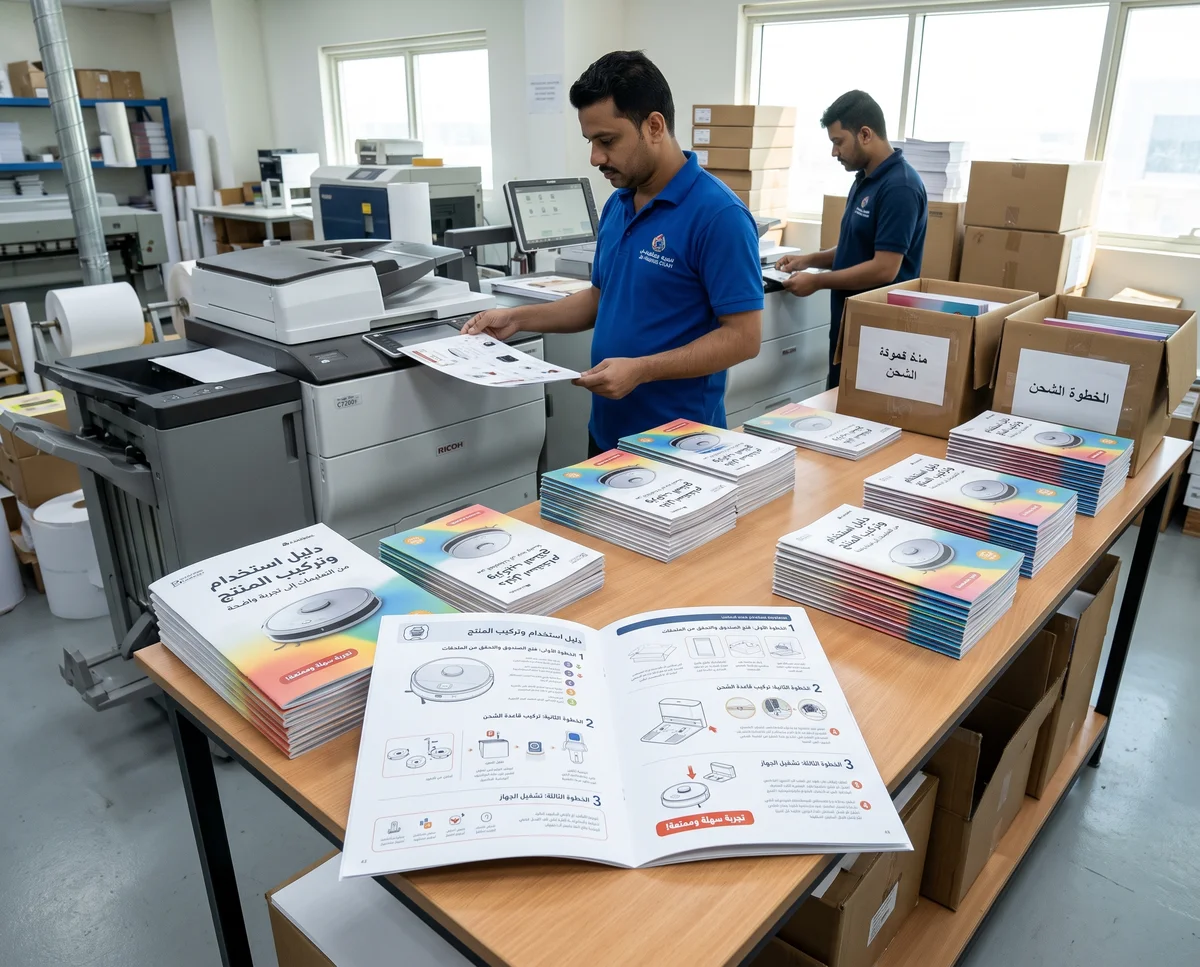
Product Manual and Assembly Guide Printing in Qatar